
Planting a Camellia
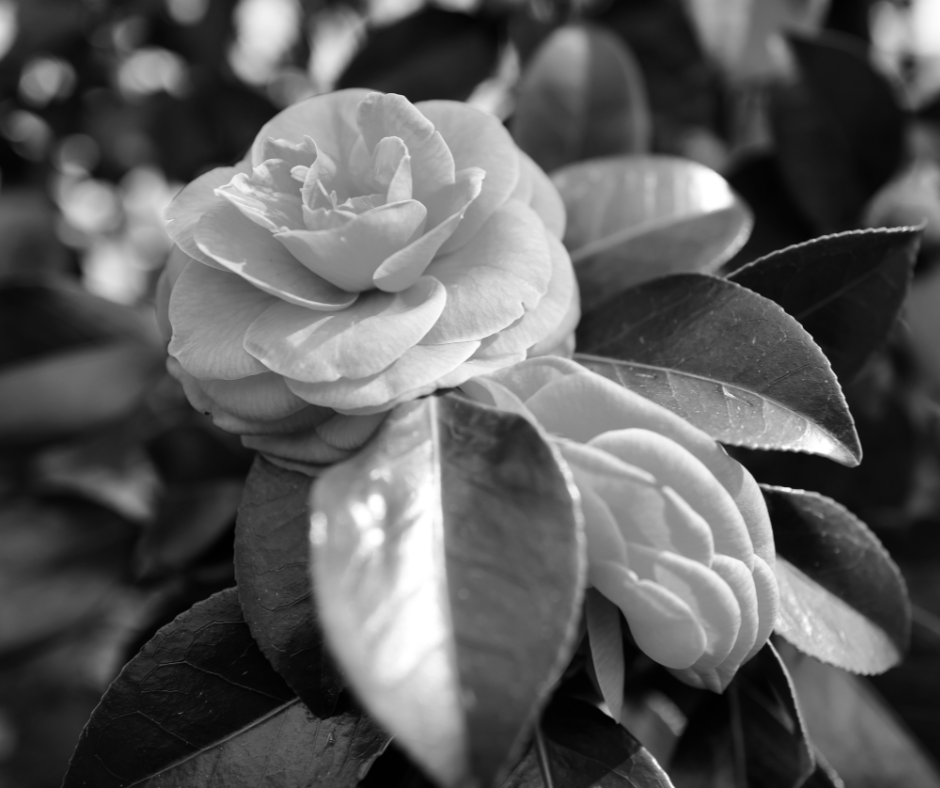

Camellias have a way of winning people over once you grow them successfully. With their glossy evergreen leaves and perfectly formed blooms that arrive when much of the garden is still quiet, they quickly become a favorite in Southern landscapes and beyond. While they’re often thought of as old-fashioned or slow-growing, camellias are actually long-lived, dependable plants when given the right start. Growing camellias isn’t about complicated care or constant attention, it’s about understanding what they need from the very beginning. The way a camellia is planted will influence its health, growth rate, and bloom quality for decades to come. When you take the time to prepare the soil properly and respect their shallow root systems, camellias reward you with beauty year after year. Learning to plant camellias correctly turns them from a “sometimes” shrub into a lifelong garden companion.
Some Camellia growers say it's better to plant a $15 Camellia in $40 hole than a $40
Camellia in a $15 hole.
Planting Camellias too deep is the main cause of Camellia failure. It can also cause them
to grow too slow or die.
In the bottom of hole it is nice to add a handful of Camellia / Azalea fertilizer in the
bottom of hole.
For a good mixture of soil and compost use 1/3 soil from hole, 1/3 sand, and 1/3 peat
moss. If hole has clay soil, discard and use 1/3 top soil.
It is a good idea to take a knife and cut vertically a half inch deep into the dirt ball from top
to bottom to loosen roots.
To plant camellias, dig a wide, shallow hole, place the plant so the root ball sits 4-5 inches
above the soil level, backfill with the original soil (or mix with sand and peat moss as
mentioned above), build a watering basin, and mulch without touching the trunk, ensuring
good drainage and ample moisture. Camellias need well-drained, slightly acidic soil and
prefer morning sun with afternoon shade, getting established with weekly watering in dry
spells.
Step-by-Step Planting Guide
Select a location with well-drained, acidic soil, receiving morning sun and afternoon shade.
Make the hole two to three times wider than the root ball, but not much deeper.
Gently loosen the roots if they are tightly bound (root-bound).
Place the camellia in the hole so the top of the root ball is 4 to 5 inches above the surrounding soil level.
Fill the hole with the original soil plus sand and peat moss, gently tamping to remove large air pockets, but avoid adding soil on top of the root ball.
Build a shallow ring (berm) of soil around the planting area to hold water.
Water thoroughly to settle the soil.
Apply a 2-3 inch layer of organic mulch (like pine bark or compost) in the basin, keeping it a few inches away from the trunk to prevent disease.
Water deeply once a week during dry periods, especially the first couple of summers, to help it establish.
Camellias have a quiet way of becoming part of the landscape and part of the gardener’s heart. Once established, they ask for very little and give back year after year with timeless beauty and dependable blooms. They are plants that reward patience, care, and respect for how they grow. Loving camellias is less about perfect technique and more about understanding them, and once you do, they’ll be with you for a lifetime.
Connect with the Jackson Camellia Society
Facebook: JXN Camellia Society
Attend a Meeting: Join Our Supper Club!